

Travel · 28 September 2026 · 4 min read
Lighthouse and Whale Museum in Andenes
A storm with a yellow warning is forecast from the afternoon, so we get everything done in the morning. On the way to Andenes we stop at the beach in Bleik and marvel at Andøya Spaceport and the research stations. By the lighthouse we find Whale2Sea, visit the whale museum for free and in the evening book the whale tour for Wednesday.
A storm with a yellow warning level is forecast from this afternoon. That means trees could fall onto the road. So we plan everything so that we have done it all by midday. Still, of course we start slowly again with breakfast in our new accommodation in Nøss.
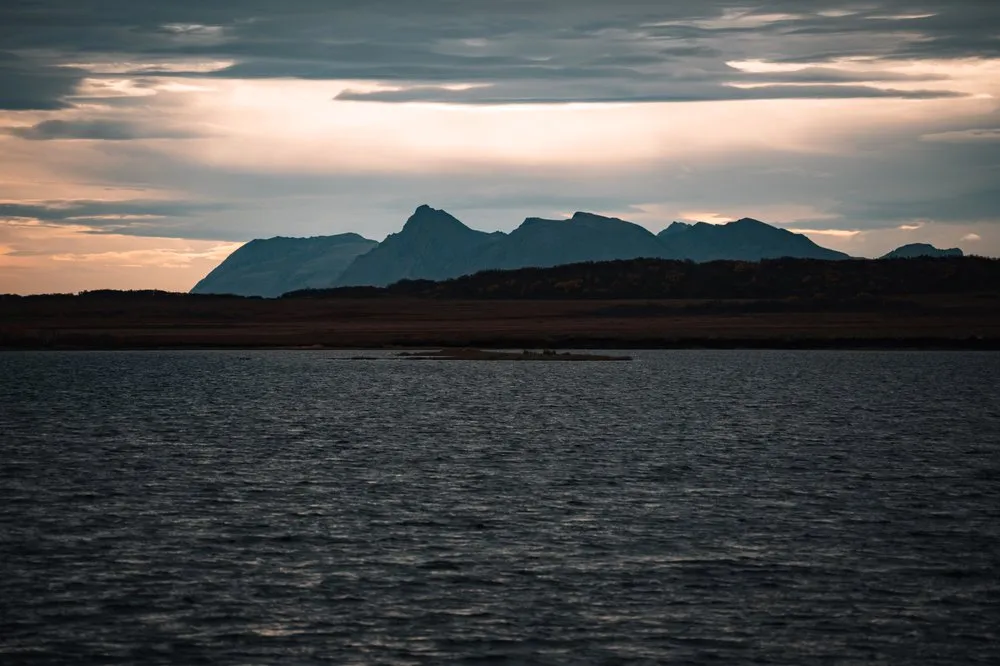
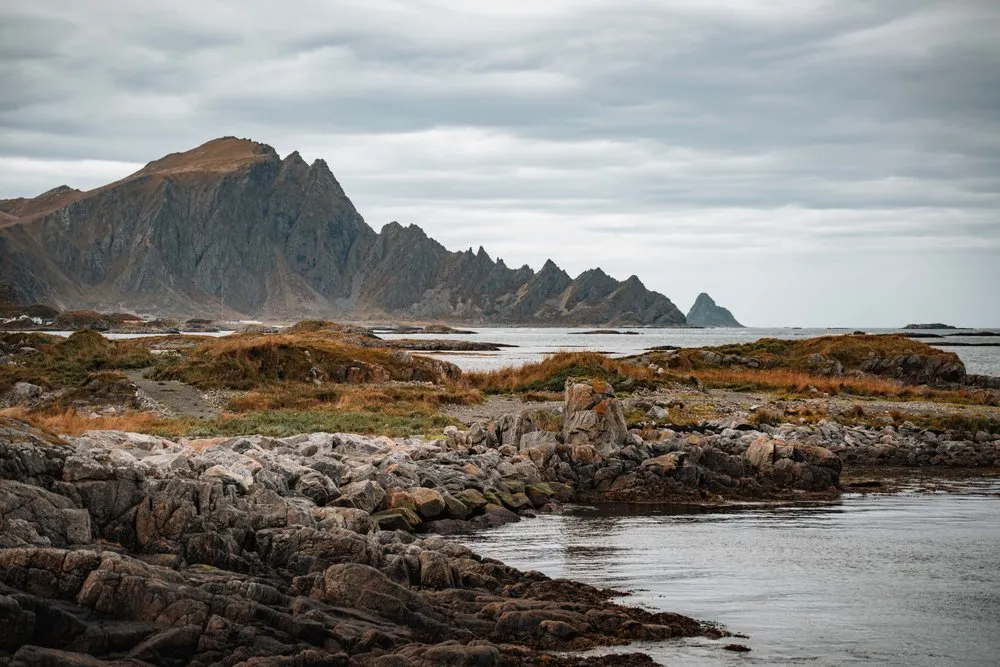
Then we drive towards Andenes, the largest village on Andøya. We need to shop for the whole week. On the way we make a few stops, because the Vesterålen really are very beautiful too. Over the water the morning sky breaks open, and the mountains on the other side stand in front of it as dark silhouettes.
Rockets and research stations
On the way, near Nordmela, we discover Andøya Spaceport and lots of research stations. We find that really exciting. Andøya Spaceport is the first spaceport on the European mainland for launches into orbit. The German company Isar Aerospace launched its first Spectrum rocket from there in March 2025, but the flight was terminated after about 30 seconds. On 5 September 2026, just over three weeks ago, the second flight reached orbit and deployed satellites. But rockets have been launched on Andøya for much longer. On 18 August 1962 the first Norwegian research rocket, «Ferdinand 1», lifted off here, and since then Andøya Space has kept sending such sounding rockets into the atmosphere.
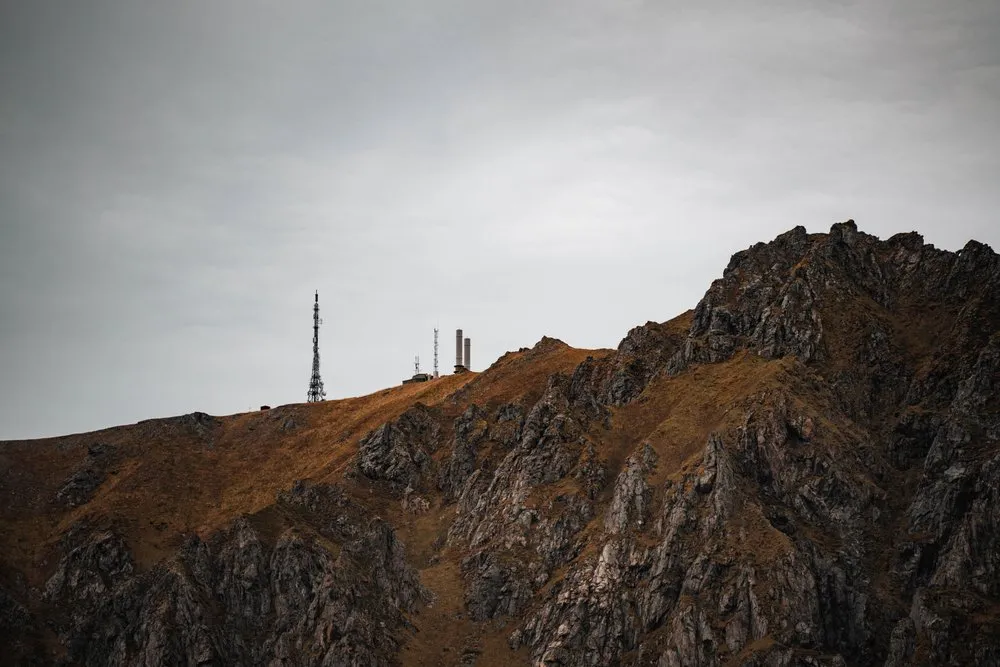
On Ramnan mountain above Bleik there is also the ALOMAR observatory, 379 metres above sea level. From there researchers use lasers, so-called lidar instruments, to study the layers of the Arctic atmosphere.
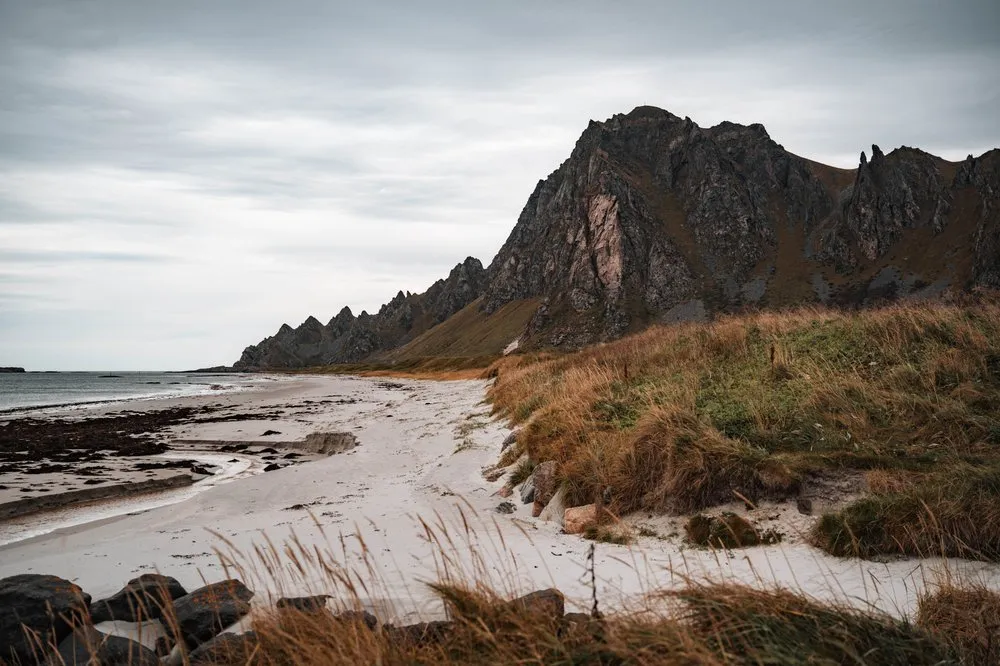
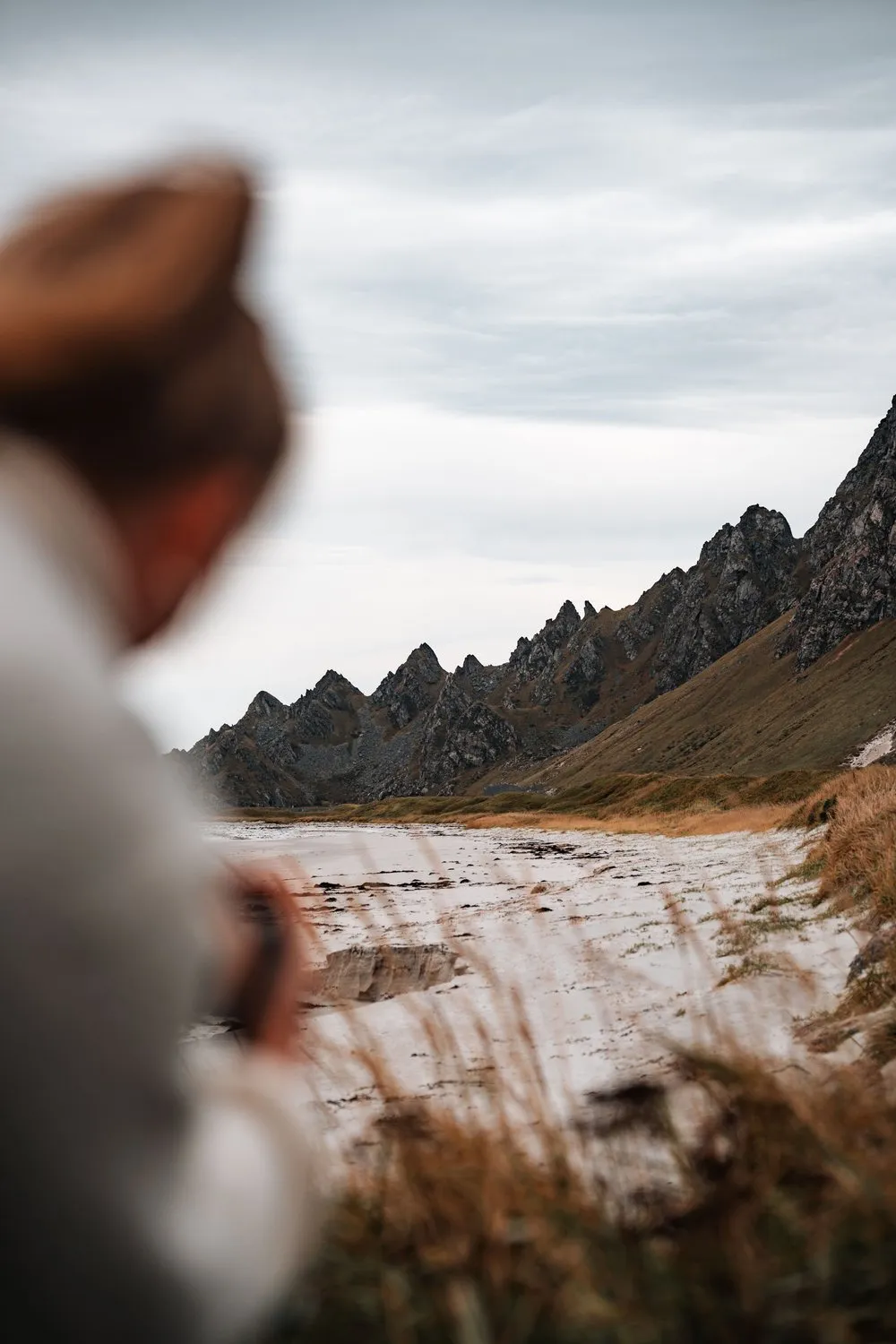
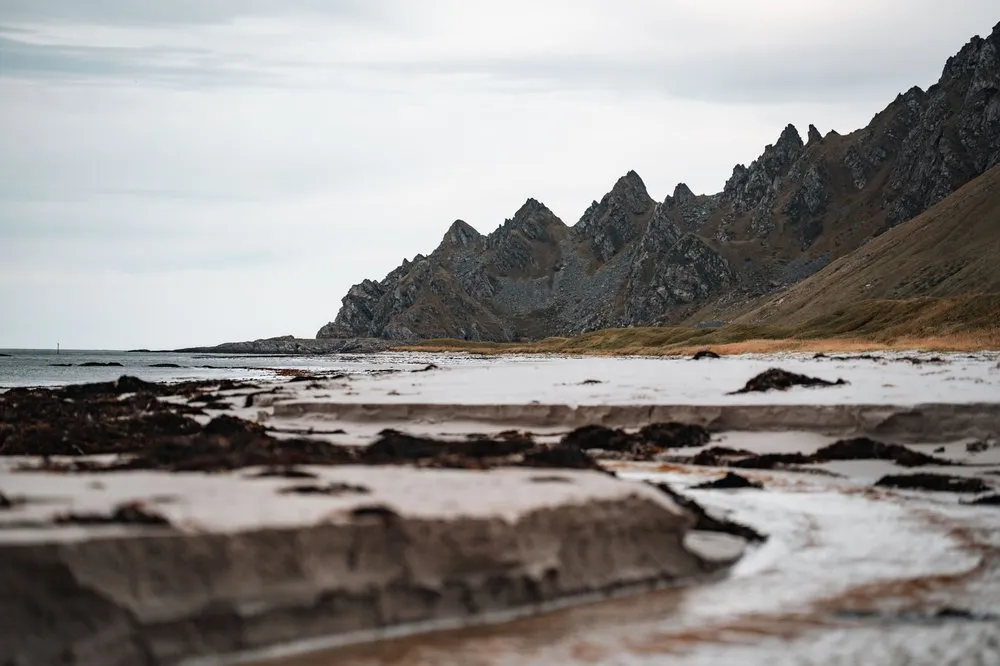
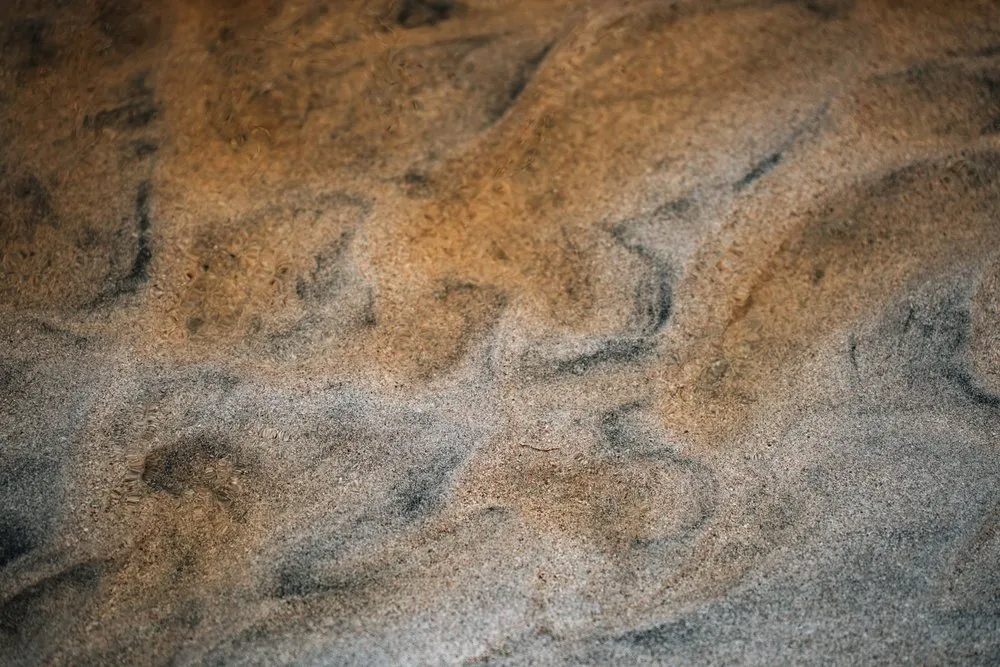
At Bleik we stop at the beach. The sand is almost white, the grass next to it already dry and yellow, and above the beach runs a jagged rock ridge with a few antenna masts on it. Up there on Ramnan, the armed forces, telecommunications and the ALOMAR observatory share the summit. An iron-rich stream runs through the beach. The iron colours its water, and so rust brown and dark swirling patterns form in the shallow water over the sand.
Lighthouse and whale museum
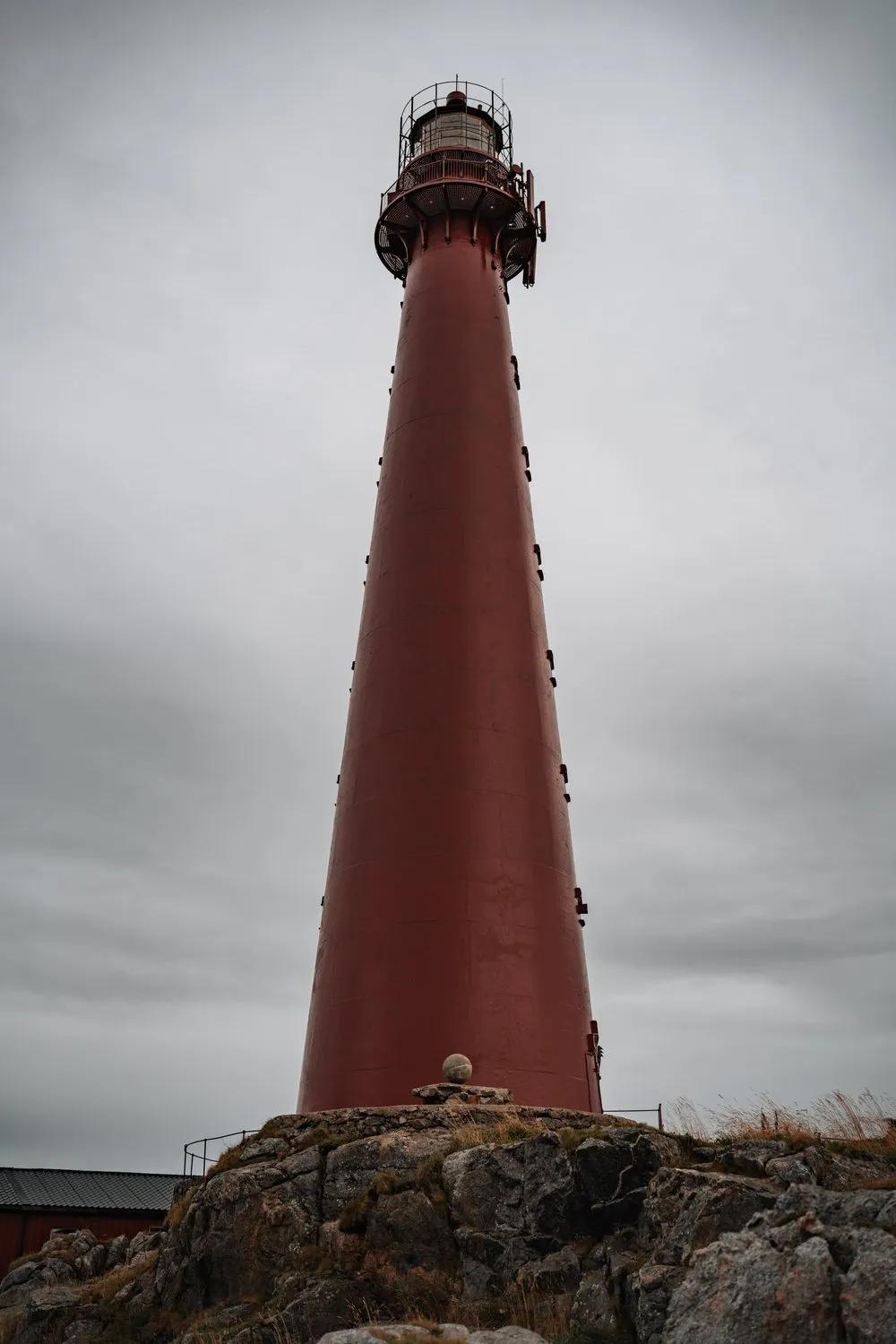
In Andenes we first drive to the lighthouse. The red cast iron tower is 40 metres tall and has stood here since 1859. Right next to it we discover Whale2Sea, a company that runs whale safaris and also does research on the whales. We talk to the woman working there. There are no whale tours today or tomorrow, because waves of up to five metres are forecast. From Wednesday they should run again. We think about it for now, and in the meantime we are allowed into the museum for free.
There we learn all sorts of fascinating things about the different whales. There are great photos and the stories behind them, and even some whale skeletons. What surprised us most is that the ancestors of whales once lived on land. The early forms looked a little like otters, before they adapted more and more to life in the water. The closest living relatives of whales today are hippos. Fascinating!
Afterwards we buy postcards, write them straight away and post them. We also take in the view around the lighthouse. On one side lies the sea, on the other the jagged mountains of the island stretch away to the south.
We do the shopping for the week in a large Rema 1000. That is handy, because our electric car can charge right in front of this supermarket while we shop.
Lonely wide spaces and a storm
We drive back in a loop, on a different route from the one we came. That way we discover the incredibly wide and lonely landscapes of the Vesterålen. We find it amazingly fascinating that there are remote little houses out here too, seemingly in the middle of nowhere. We wonder what people up here do all day long.
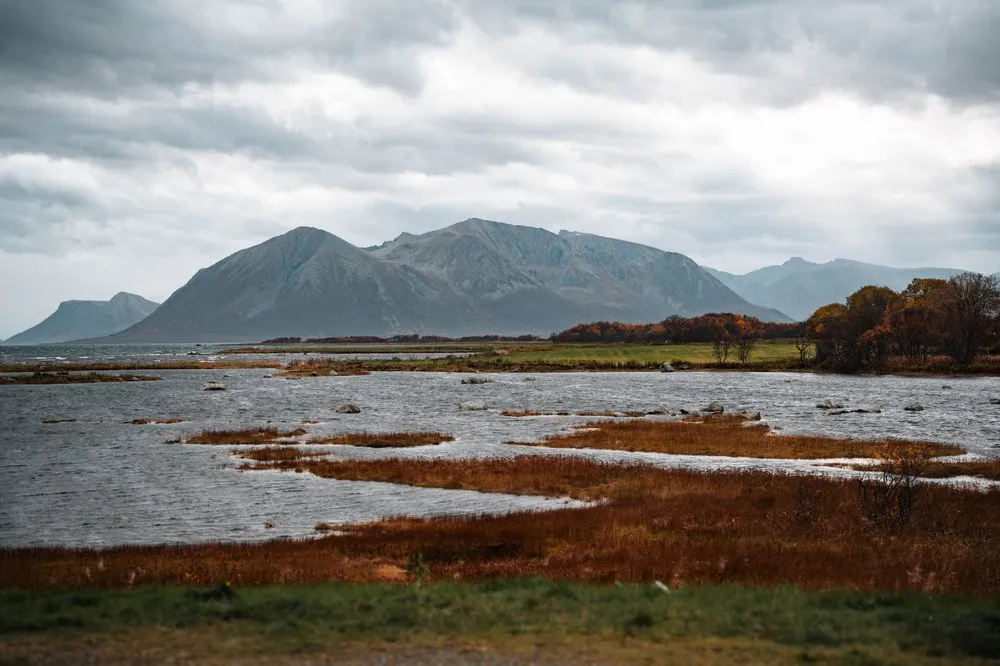
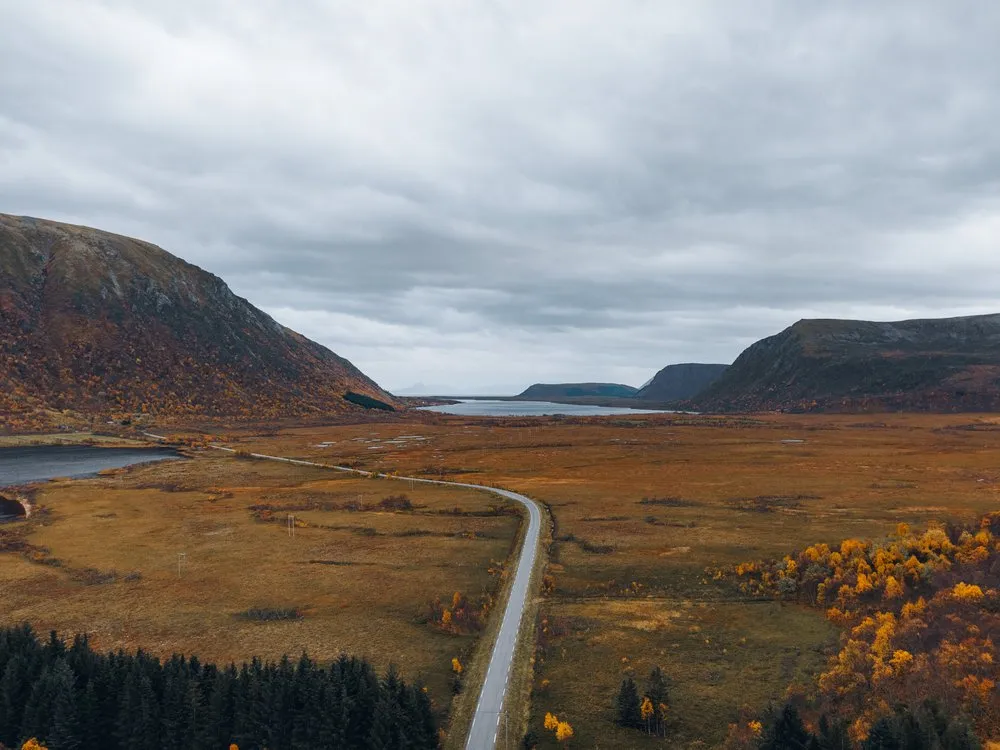
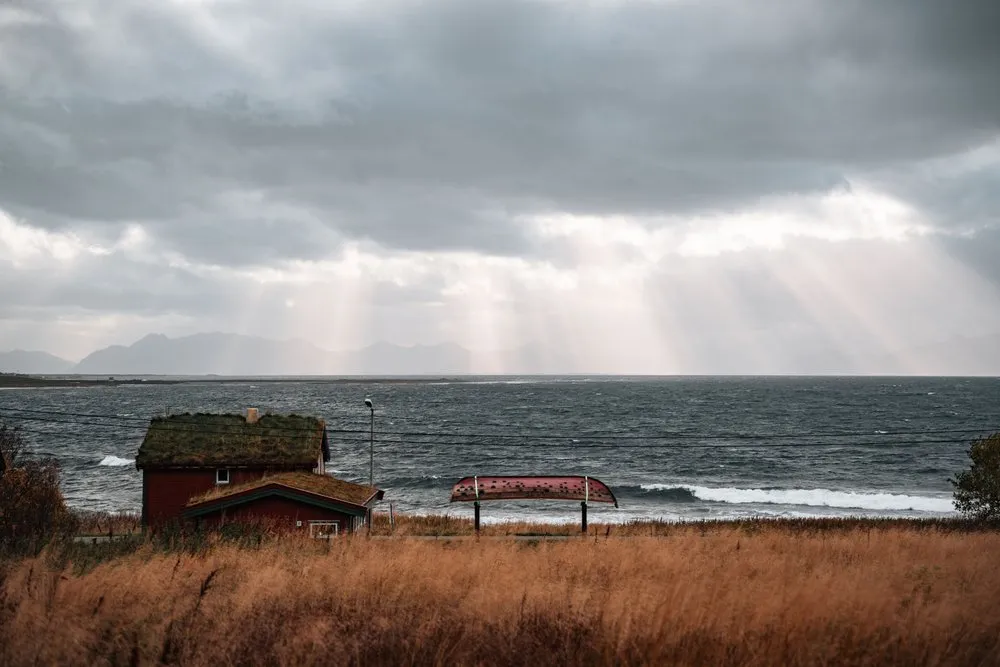
Back at the Airbnb we finally get round to editing photos, reading and writing. Outside the storm begins. Dark clouds gather over the sea, and now and then single sunbeams break through. It looks dramatic, and of course we photograph this mood too.
For dinner Annina cooks mashed potatoes and vegetarian köttbullar, with a cucumber salad. It is very tasty.
Then we book the whale tour for Wednesday, because the weather is supposed to get better by then. It will be a full day, because we have also planned the hike up Matind for then, and that needs good weather as well.
Topics
You might also like
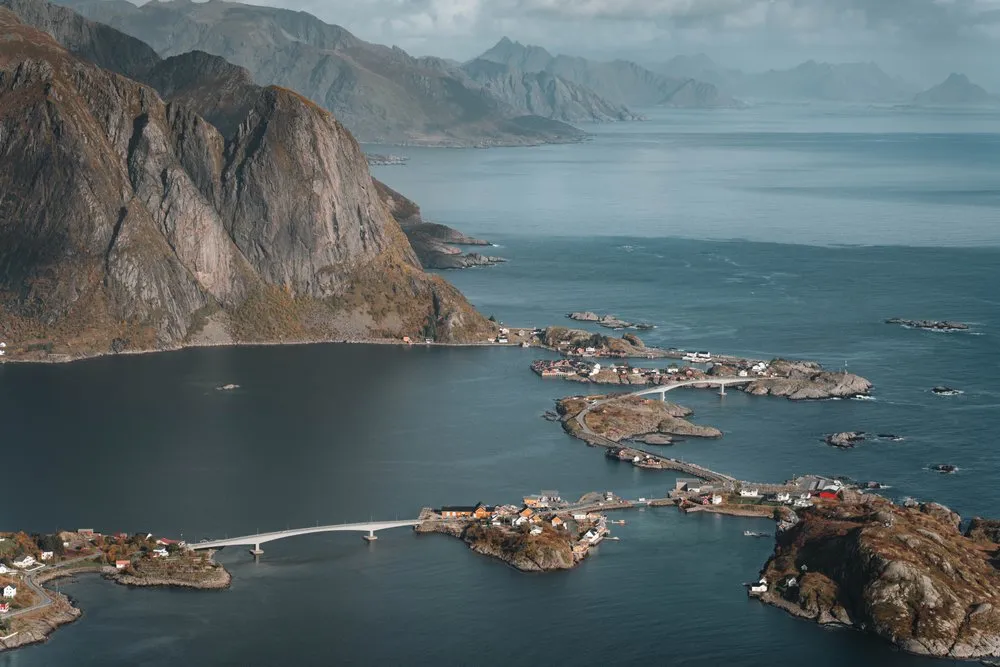
Travel · 24 September 2026
Reinebringen and Northern Lights
In sunshine up 1976 steps to Reinebringen, cinnamon buns in Sakrisøy, evening light on Rambergstranda and at night northern lights right by our Airbnb.
Travel · 23 September 2026
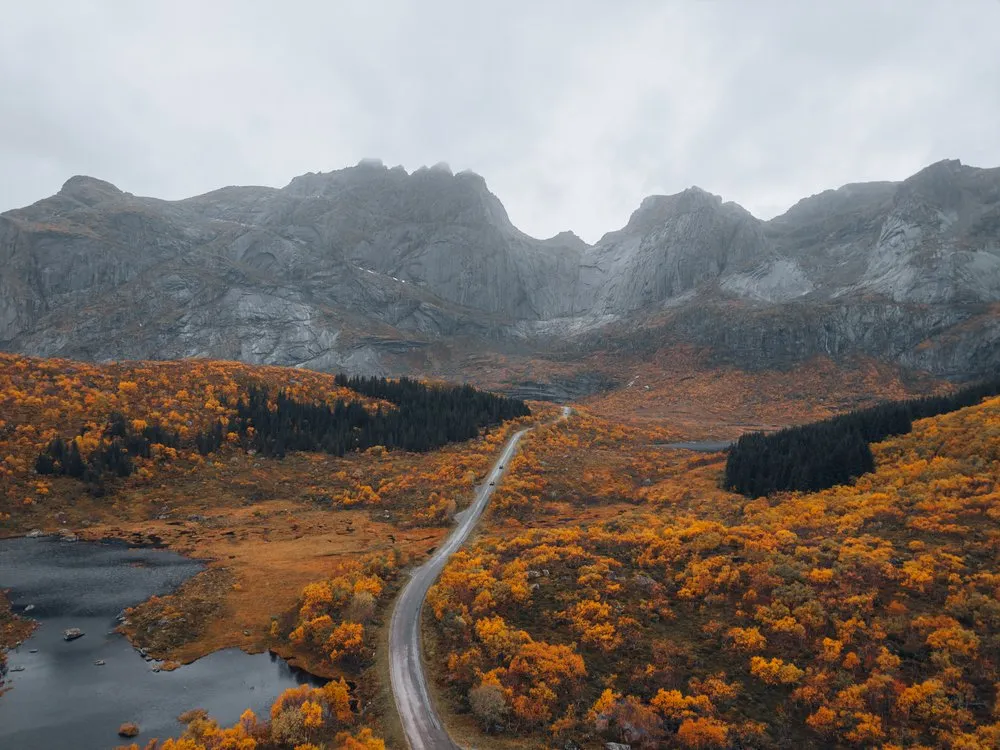
Offersøykammen and Evening Light in Ramberg
Up Offersøykammen in drizzle, autumn colours on the road to Nusfjord, and in the evening red light over the beaches of Flakstad and Ramberg.
Travel · 22 September 2026
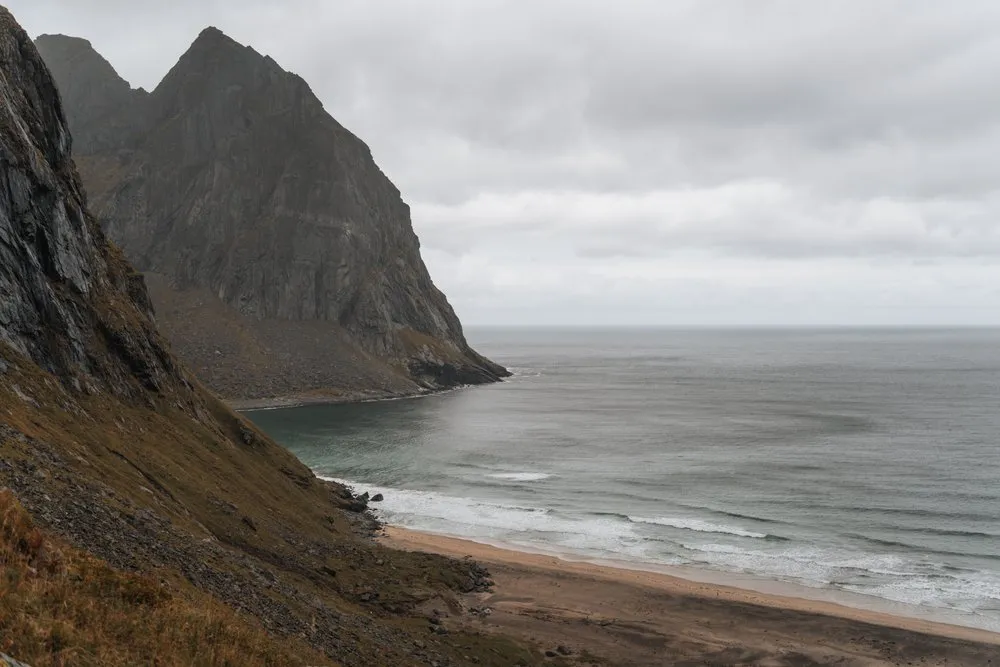
Autumn Hike to Kvalvika Beach
Through mud and wind to the view over Kvalvika Beach, red berries in orange autumn, then a stormy afternoon in the cabin and two gratins for dinner.
Comments